
Coding productivity relies on precise pointer control when switching between editor tabs, terminals, browser previews and issue trackers. Reliable scrolling through long files and effortless switching across displays matter more than extreme gaming sensor numbers. This guide is for developers choosing a practical mouse rather than chasing gaming-oriented specifications. The right purchase depends on hand size, desk layout, computer operating system and whether you work mostly from one workstation.
Quick Comparison
| Product | Strength | Connection / tracking | Main consideration |
|---|---|---|---|
| MX Master 3S | ergonomic contoured shape | See verified manufacturer specifications | Confirm hand fit and configuration |
| Razer Pro Click Mini | compact ambidextrous shape | See verified manufacturer specifications | Confirm hand fit and configuration |
| MX Anywhere 3S | compact design | See verified manufacturer specifications | Confirm hand fit and configuration |
| Logitech Lift | vertical grip | See verified manufacturer specifications | Confirm hand fit and configuration |
Best Overall: MX Master 3S
Best for: frequent IDE navigation and code reviews.
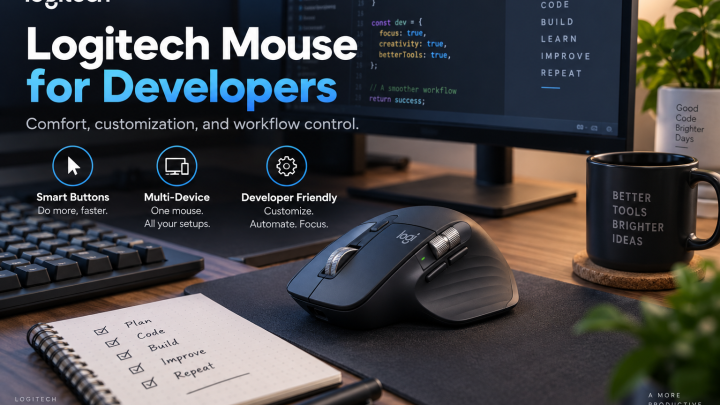
Why we picked it: MX Master 3S offers ergonomic contoured shape, MagSpeed scrolling, and 8,000-DPI Darkfield tracking. These published features connect directly to how programmers browse files, switch applications and navigate a workday. This is an editorial feature-based choice, not a hands-on test result.
Pros: A documented feature set; practical input controls; an identifiable use case rather than vague performance claims.
Cons: Fit is personal; software-dependent controls may not work identically on every operating system; pricing varies by seller.
Important specs: ergonomic contoured shape, MagSpeed scrolling, and 8,000-DPI Darkfield tracking.
Buying note: Check the regional SKU, current price, stock and included accessories before adding an affiliate link.
Best Value: Razer Pro Click Mini
Best for: developers prioritizing relevant features over extras.
Why we picked it: Razer Pro Click Mini offers compact ambidextrous shape, silent switches, Bluetooth or 2.4 GHz wireless, and a 12,000-DPI sensor. These published features connect directly to how programmers browse files, switch applications and navigate a workday. This is an editorial feature-based choice, not a hands-on test result.
Pros: A documented feature set; practical input controls; an identifiable use case rather than vague performance claims.
Cons: Fit is personal; software-dependent controls may not work identically on every operating system; pricing varies by seller.
Important specs: compact ambidextrous shape, silent switches, Bluetooth or 2.4 GHz wireless, and a 12,000-DPI sensor.
Buying note: Check the regional SKU, current price, stock and included accessories before adding an affiliate link.
Best Alternative: MX Anywhere 3S
Best for: buyers seeking a differentiated fit or workflow.
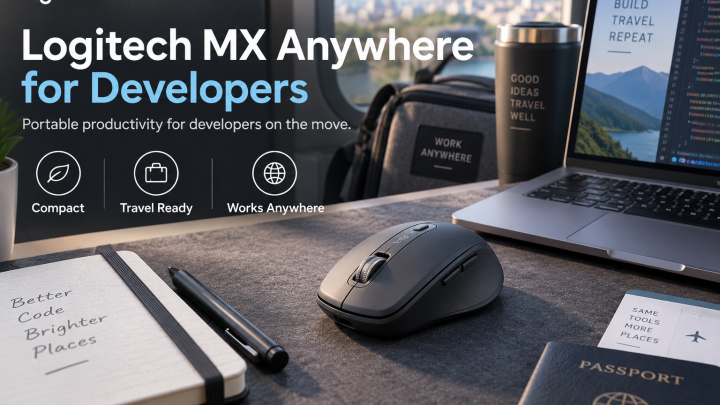
Why we picked it: MX Anywhere 3S offers compact design, 400–8,000-DPI tracking, MagSpeed scrolling and multi-device wireless pairing. These published features connect directly to how programmers browse files, switch applications and navigate a workday. This is an editorial feature-based choice, not a hands-on test result.
Pros: A documented feature set; practical input controls; an identifiable use case rather than vague performance claims.
Cons: Fit is personal; software-dependent controls may not work identically on every operating system; pricing varies by seller.
Important specs: compact design, 400–8,000-DPI tracking, MagSpeed scrolling and multi-device wireless pairing.
Buying note: Check the regional SKU, current price, stock and included accessories before adding an affiliate link.
Detailed Comparison
MX Master 3S is the primary fit for this guide because reliable scrolling through long files and effortless switching across displays matter more than extreme gaming sensor numbers. By contrast, Razer Pro Click Mini takes a different approach that may better suit a different hand shape or working style. MX Anywhere 3S offers another balance of portability, control and desk space. The fourth option, Logitech Lift, rounds out the shortlist when a different form factor is preferred.
Ergonomic claims are not guarantees. Consider hand fatigue, scroll-wheel reach and forearm position during real work. Test code selection and movement across displays rather than judging by maximum DPI.
Programming Workflow and Shortcut Mapping
Map side buttons to browser back/forward first, then trial editor navigation or virtual-desktop switching. Keep primary shortcuts simple: excessive reassignment can make a mouse confusing when switching machines. Horizontal scrolling is useful for wide logs or timelines, although keyboard shortcuts may accomplish the same job. A scroll wheel that changes modes can save effort when searching long source files.
What Should Developers Look For?
Desk placement
Keep the mouse at the same height as the keyboard and close enough to avoid shoulder extension. Larger mousepads can help keep movements smooth, while a crowded desk may force awkward reaches.
Compatibility
Check basic pointer support separately from optional configuration software. Many mice work as standard pointing devices on macOS, Windows or Linux, while manufacturer customization utilities may have narrower platform support.
Value and warranty
Compare the price of the exact regional variant, included receiver, return conditions and warranty. Premium materials or added buttons are worth paying for only when they improve how you actually work.
How We Selected and Evaluated These Products
This is a desk-research comparison based on publicly described controls, form factors, connectivity and published technical specifications. We prioritized mice with distinct practical advantages rather than creating a false ranking from a few sensor numbers. We did not purchase test samples, measure click noise, record latency, conduct grip trials or collect reliability statistics. No first-hand testing, original performance data or verified current retailer pricing is claimed.
No hands-on test samples were used in this article. A future test should include different hand sizes and multiple workdays.
FAQ
Is a gaming mouse better for programming?
Not necessarily. High polling rates rarely determine ordinary editing efficiency; usable buttons, comfortable grip and scrolling often matter more.
Do I need a wireless mouse for coding?
No. Wired mice remain reliable choices. Wireless is convenient for portable, uncluttered or multi-computer setups.
Can a vertical mouse fix wrist pain?
No mouse can guarantee that result. A vertical grip changes wrist and forearm positioning, but suitability depends on the person and symptoms.
Does a mouse work on macOS, Windows and Linux?
Basic pointer functions commonly work, but advanced gestures and device-management applications vary. Verify the exact model and platform.
How much should I spend?
Pay for comfort, dependable controls and needed features, not simply an impressive DPI figure. Check current seller prices before choosing.
Final Recommendation
Choose MX Master 3S when frequent IDE navigation and code reviews is your priority. Consider Razer Pro Click Mini when its strengths better match your workflow, or MX Anywhere 3S for an alternative balance of features. A mouse should fit your actual hand, desk and work habits; confirm the retailer return window so you can verify comfort.